 VETERAN-OWNED · NEBRASKA-BASED
Staff
Staff
The public staff page lists the people named below. SAINT Technology Services is veteran-owned and founder-led, based in Hickman, Nebraska. Lincoln is the closer market, about 15–20 minutes north, with no Lincoln storefront. Omaha is the second market, about 55–70 minutes up I-80, scheduled on-site, with no Omaha office. This page does not publish biographies, prior employers, or personal histories that are not already the role under each name.
Office (531) 625-2111
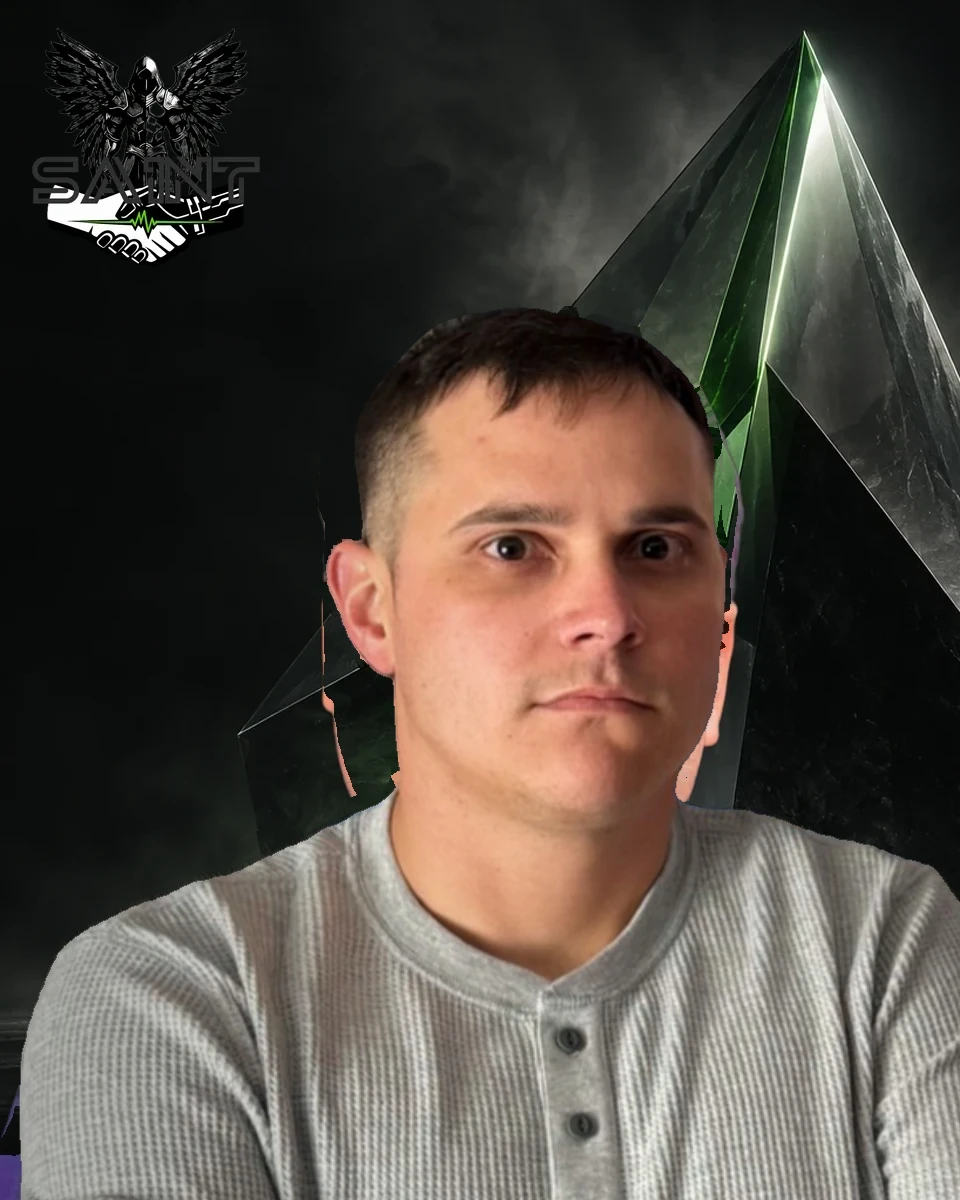
Colton Porter
Founder and Owner
Founder and owner. Engagements are not routed through an account-manager pipeline before they reach the people doing the work. The longer note on why the company exists is on the about page. The portrait here is the public staff photo.
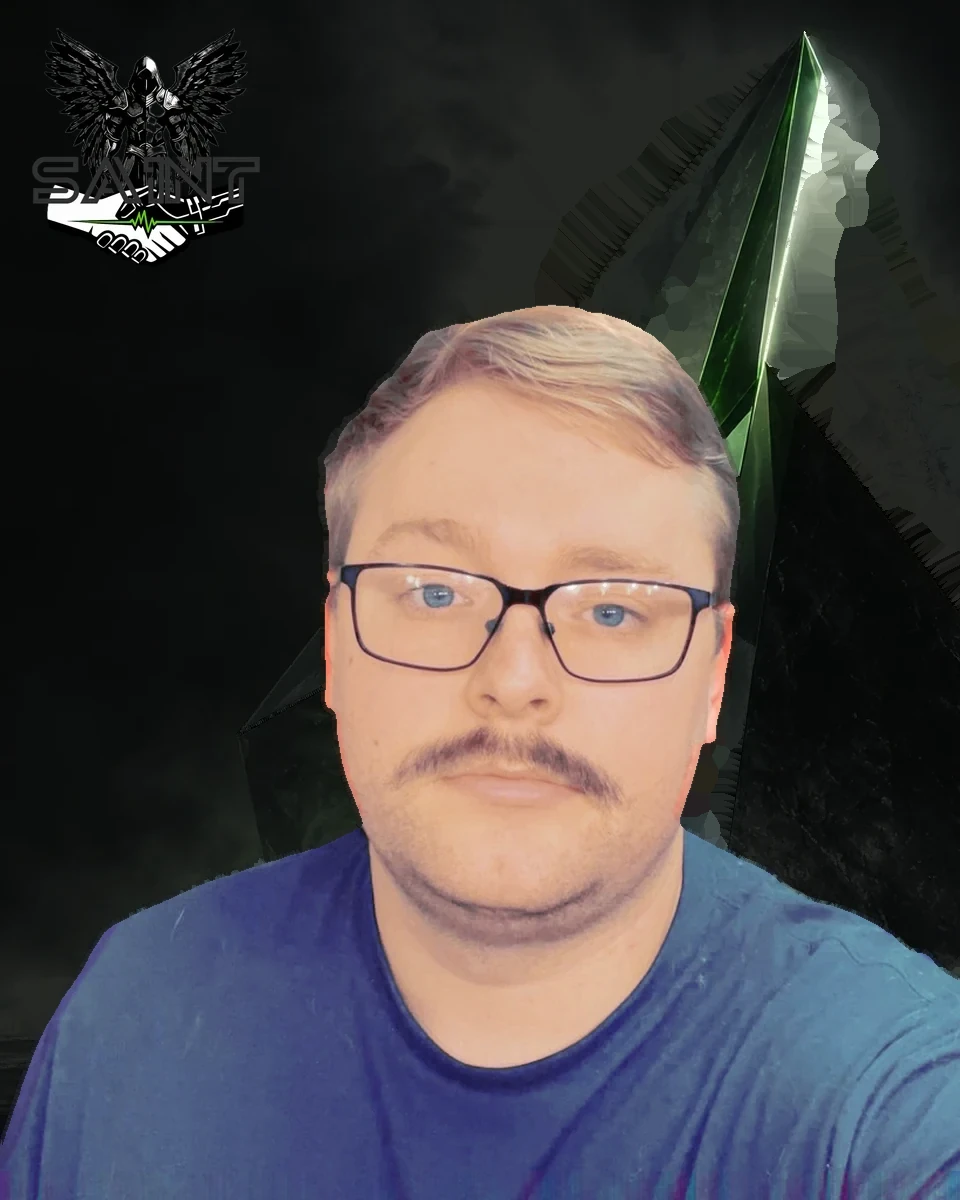
Gabe Beyard
Omaha Sales Lead
Omaha sales lead for the same Hickman team. That is the public role: Omaha-metro sales conversations, not a separate Omaha company and not an Omaha office. This page does not add a biography beyond that title.
What this page is for
Use it to see who is named publicly and how to reach the desk. It is not a directory of every technician who might touch a ticket, and it is not a hiring board. Open roles, when any exist, are posted on careers. If that board is empty, SAINT is not hiring for a named role. Do not read a job into either name on this page.
Client work splits the way the location pages already say. Lincoln businesses get the closer coverage from Hickman — help desk, managed IT, cybersecurity, and cameras when a walkthrough says they fit. Omaha-metro businesses get the same stack on a scheduled drive: insurance- and finance-adjacent offices, independent clinics, and multi-site operators across downtown, Midtown, Aksarben, and West Omaha, plus Bellevue, Papillion, La Vista, Gretna, and Elkhorn as service area. Council Bluffs is metro coverage when the Omaha-side identity is already in scope. Market pages: Lincoln and Omaha.
How to reach the desk
Call (531) 625-2111 for a new conversation or an existing client. That is the office line, the same one on the rest of the site. Suspected compromise uses the incident number in the site header and on the incident page, not a personal mobile published here. Email and form messages go through contact. A 30-minute assessment is book a call or the free readiness checks at assessment.
The company behind the names is SAINT Technology Services, operated by SAINT Management Group LLC. Service-area headquarters in the site’s local markup is Hickman, city-level only. The legal address in the footer is the published mailing address; this page does not add a street for a Hickman shop or an Omaha showroom, because neither exists. Vendor and service detail — Huntress or Guardz, Verkada, Microsoft 365, Google Workspace — stays on the service and partner pages, not in a staff biography.
If you want the founder story rather than a role label, read about. If you want Omaha-specific scope before you call, start at the Omaha hub and the managed IT page for that metro, managed IT in Omaha. Lincoln’s equivalent is managed IT in Lincoln.
From the Hickman desk
How a job with SAINT actually starts
This page is one part of the stack. The desk behind it is the same small team for the computers, the security tools, and the building. Lincoln is the day-to-day market. Omaha is next. The rest of Nebraska is scheduled.
SAINT Technology Services is the trade name of SAINT Management Group LLC. We are veteran-owned and based in Hickman, Nebraska. There is no Lincoln storefront and no Omaha headquarters. If someone needs a person on site in Lincoln, the drive is short. Omaha is a planned trip. We say that up front so you are not picturing a downtown office we do not have.
Most of the businesses we sit with are small or mid-size: a clinic, a shop, a professional office, a contractor, a school, a city department, a plant, or a nonprofit. The common thread is that one or two people are tired of being the unofficial IT department. If you already have an IT person and you want to keep them, that is co-managed IT. We write down who owns which tickets. We do not show up to replace someone who is doing the job.
Managed IT, when that is the fit, is a monthly program: monitoring, patching, a help desk, and cloud administration for Microsoft 365 or Google Workspace when those are in scope. The rate is a documented fixed monthly number once the environment is scoped. We do not publish a sticker price on the website, because a five-person office and a fifty-person office are not the same job. The first-response target during business hours is 15 minutes. Outages and security incidents have a 24/7 line. Those are the same targets already stated on the managed IT page, not a new offer.
The help desk is for the ordinary stuff that stops a workday. A laptop that will not join the network, a shared mailbox nobody can open, a printer that quit, a new hire who needs accounts before Monday. You call (531) 625-2111 or you write the desk. If the problem is an active compromise, use the incident path on this site. Do not wait on a newsletter.
Cybersecurity on an engagement is Huntress or Guardz, not a pile of overlapping tools and not a claim that we are a certified auditor. Huntress is the 24/7 SOC path: endpoint detection, identity threat detection, log correlation, and security awareness training when those pieces are in scope. Guardz is the all-in-one path some smaller offices prefer. We pick one lane with you. Email security sits next to that, because business email compromise is how a lot of Midwest shops actually lose money: a changed bank account, a mailbox rule, a fake invoice. We look for those. We do not promise that nobody will ever click.
Physical security is the same team as the network, not a separate vendor you have to introduce us to. That covers cameras, door access, and a look at the building. Verkada, UniFi Protect, and Salient are products we deploy when they fit the site. A jobsite is a different layout than a clinic hallway, and the jobsite security page is where that scope lives. The SAINT Security Box is a custom enclosure we build when a camera needs power and protection that a catalog mount does not give you. We do not invent camera counts or coverage percentages.
Backups are only useful if someone has restored them. The backup and disaster recovery work is monitoring the jobs, keeping a copy that ransomware cannot simply encrypt with everything else, and testing a restore on a schedule you can see. 'We have backups' is not the same sentence as 'we restored a file last quarter.' If you want the checklist version of that, it is on the backup page and in the operations notes.
The network work is design and upkeep: UniFi where that is the right stack, Fortinet when you need that firewall, Wi-Fi that reaches the back office, and a diagram your next IT person can read. Business fiber, when you want it, is ALLO service we provision as an authorized agent. Availability is an address check. We do not publish carrier price lists or promise a speed. Hosted voice, Teams voice, and analog or PRI lines are quoted the same way: one ticket path, after we know the address and what you have now. Failover internet is a design for a second path. The carrier still delivers the circuit.
Website design and website management are on this site as their own pages. Domain management and domain security cover the registrar, DNS, and the locks that keep someone from walking off with the name. None of that is bundled into managed IT unless we wrote it into the scope.
Assessments and the free tools are there so you can see a gap before you buy anything. The domain security scan, the insurability check, the downtime calculator, the breach check, and the short quizzes for NIST CSF, HIPAA, CISA, the FTC Safeguards Rule, and GDPR are educational. They are not a certification and they are not a legal opinion. A security risk assessment, a physical security assessment, a vendor assessment, or a critical infrastructure walk-through is a scoped job with a written result. If a page says the work is advisory, that is what it is.
AI, when it is in scope, is governance and setup. Readiness, a written policy, vendor questions, training for the people who will actually use Copilot or Gemini, and a fractional chief AI officer when an office wants that seat part-time. We will tell you when the honest answer is to leave a feature off. We will not dress up a prompt as a transformation.
A first conversation is short. You call (531) 625-2111 or you book a time. We ask what is breaking, what you already pay for, and who has the admin passwords. Then we look. The output is a written plan: what to keep, what to fix, and what can wait. You can stay with your current provider. We would rather say that on the first call than discover it after a quote. If you want a partner to resell or refer work, that conversation lives on the partner program pages, separate from a customer assessment.
Lincoln pages are the detailed local versions. Omaha pages are the second set. If you are comparing those two, start with the city that matches the building you care about most, then open the service under it. The phone number does not change. Desk line: (531) 625-2111.
If you have more than one building, say so on the first call. A Lincoln office and an Omaha office can sit on one agreement, with the same help desk and a note about which site gets the scheduled visit. A clinic with a guest network and a clinical network is a different drawing than a single retail floor. We would rather see that before we name a tool.
Compliance language on this site is narrow on purpose. HIPAA-aligned IT for a small clinic means identity, email, backups, and a business associate agreement when we touch systems that hold patient information. It does not mean SAINT certifies you. CJIS-aware work for a city or sheriff's office means the access and logging questions in that policy, not a badge. CMMC-aware work for a shop that touches defense contracts means the control list and the evidence, not a rubber stamp. FTC Safeguards and PCI show up the same way: we implement the technical pieces we scoped, and we tell you what we did not take on.
You should leave a first call knowing three things: who answers (531) 625-2111, what is in the monthly scope, and what is a separate project. Projects are the one-time jobs: a camera install, a firewall cutover, a move, a website, a fiber order. The monthly program is what keeps running after the project truck leaves. If a salesperson ever blurs those two, ask for it in writing. We will put it in writing either way.
Bring what you already have. A list of vendors, the admin login for Microsoft 365 or Google Workspace, and a rough count of people and sites is enough to start. You do not need a network diagram. If the last IT company will not hand over passwords, say that. It happens, and it changes the first week of work more than any product choice does.
If you already know the service, use the links on this page. If you do not, start with the solutions list, Lincoln, or Omaha, then call (531) 625-2111 or book a time.